கற்றல் வழிகாட்டி
1:3 அழகாக இருந்தாலும் திட்டம் ஏன் மோசமாக இருக்கலாம்?
Entry, Stop Loss, target தூரங்களை long/short direction-ல் கணக்கிட்டு, ratio-வுக்கு probability, fill, time, fee, portfolio correlation இல்லை என்பதை ₹ உதாரணத்தில் காட்டுகிறோம்.
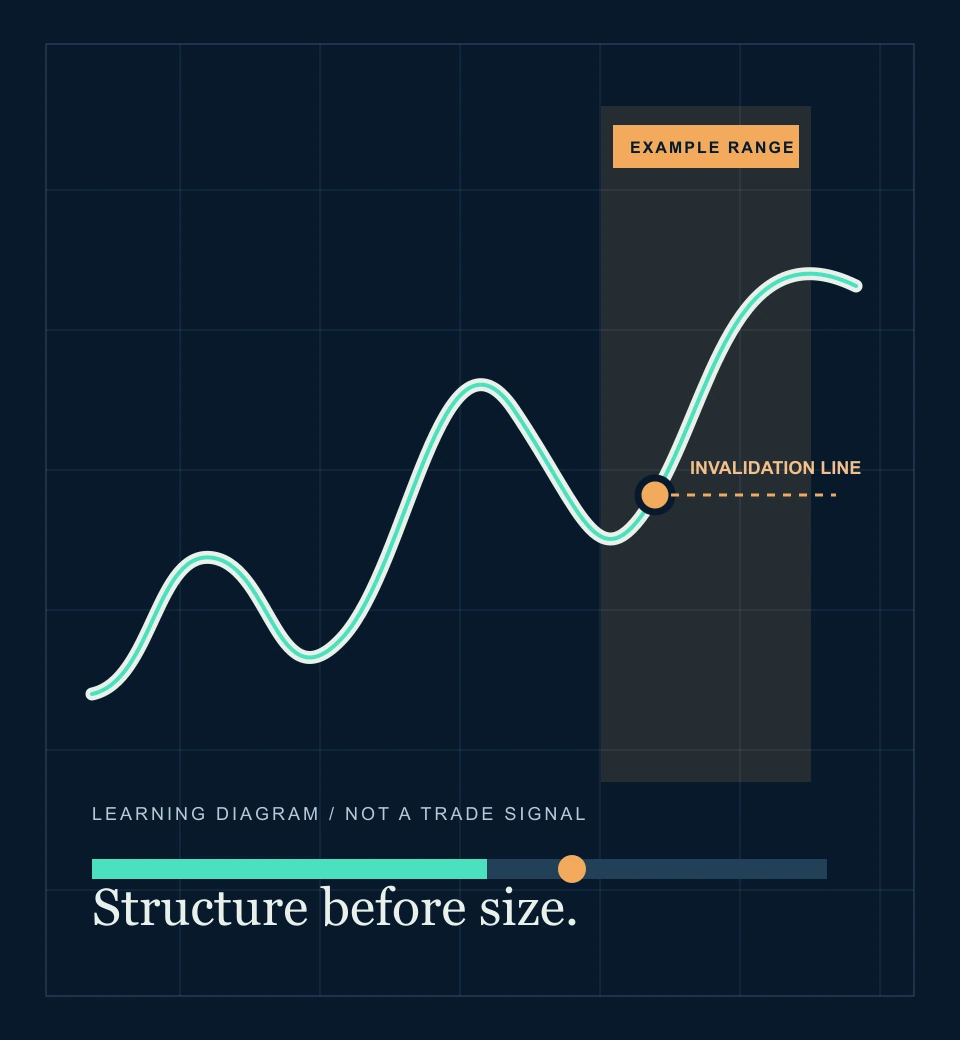
கல்வி தகவல் மட்டும்; financial advice அல்லது trading signal அல்ல.
வாசகர்கள் அடிக்கடி கேட்பவை
- Reward:Risk எந்த direction-ல் எழுதப்படுகிறது?
- Long/short distance validation?
- 3 ratio high probability ஆகுமா?
- Stop Slippage actual risk-ஐ எப்படி மாற்றும்?
- Ratio Position Size தீர்மானிக்குமா?
இந்தப் பக்கத்தில் கற்பவை
- Numerator/denominator தெளிவு.
- Zero distance reject.
- Ratio, probability, expectancy பிரித்தல்.
- Plan மற்றும் actual fill ஒப்பீடு.
முக்கியப் பகுதிகள்
எழுத்து திசை முதலில்
இப்பக்கம் reward distance/risk distance பயன்படுத்துகிறது. 3 என்றால் target distance திட்டமிட்ட stop distance-ன் மூன்று மடங்கு. சில இடங்கள் risk:reward எழுதும்; எண் reciprocal.
“1:3” மட்டும் போதாது; numerator, denominator சொற்களுடன் காட்ட வேண்டும்.
Long/short validation
Long: stop entry-க்கு கீழ், target மேல். Risk=entry-stop; reward=target-entry. Short-ல் stop மேல், target கீழ்; differences மாறும்.
Stop=entry என்றால் denominator zero; infinity காட்டாமல் error.
Probability input இல்லை
₹15 target distance, ₹5 risk distance என்பது geometry. Price முதலில் எதைத் தொடும் என்ற probability, waiting time, execution இதில் இல்லை.
High ratio high chance என்று கூறுவது formula-வில் இல்லாத தகவலைச் சேர்ப்பது.
விரிவான விளக்கம்
Expectancy வேறு கணக்கு
Probability×average gain - failure probability×average loss - costs போன்ற model தேவை; outcomes partial, timeout, gap என பல. ஒரே ratio-வில் இருந்து win rate வராது.
Independent sample இல்லாமல் expectancy claim வேண்டாம்.
Stop fill உறுதி அல்ல
Stop-market trigger பிறகு order book-ல் fill. Gap/Slippage actual per-unit loss-ஐ உயர்த்தும். Stop-limit fill இல்லாமல் position open.
Planned distance maximum loss insurance அல்ல.
Target partial fill
Chart high target-ஐத் தொட்டாலும் முழு quantity queue-ல் fill ஆகாமல் இருக்கலாம். Partial exit பிறகு remaining Position Size மற்றும் risk மாறும்.
Actual execution receipt மட்டும் realised result.
Fees ratio-ஐச் சுருக்கும்
Open/close fee, spread, Slippage, Funding Fee/borrow cost net reward குறைக்கலாம். Tight stop-ல் fixed costs risk distance-க்கு பெரிய percentage.
Gross, cost, net ratio தனியாக.
Quantity ratio-வில் இல்லை
₹1 risk distance மற்றும் ₹100 risk distance இரண்டும் same ratio கொண்டிருக்கலாம்; allowable quantity வேறு. Position Size=acceptable ₹ loss/per-unit worst loss.
Far target காரணமாக loss budget பெருக்க வேண்டாம்.
Time dimension
ஒரு 1:3 plan ஒரு மணி, மற்றது மூன்று மாதம். Capital use, funding, event exposure வேறு. Ratio duration சொல்லாது.
Maximum holding time மற்றும் neither-hit exit முன்பே define.
Moving stop மாற்றம்
Stop/target move, partial profit, add-on ஒவ்வொன்றும் original ratio-ஐ மாற்றும். Result பார்த்த பிறகு final levels-ஐ entry நேரத்திற்கு backfill செய்யக்கூடாது.
ஒவ்வொரு change time, remaining quantity, reason பதிவு.
Portfolio correlation
பல trades ஒவ்வொன்றும் 1% planned risk என்றாலும் related assets ஒரே நேரத்தில் stops அடையலாம். Individual ratios concentration காட்டாது.
Combined stress loss தனியாக aggregate.
Scenario table
Ideal target, normal stop, gap stop, partial target then reversal, higher fees, timeout ஆகியவற்றை கணக்கிடவும். Probability உருவாக்காமல் assumptions sensitivity மட்டும் காட்டவும்.
சிறிய Slippage-ல் sign மாறினால் plan fragile.
Audit record
Direction, entry source, trigger type, target order, quantity, fees, expected Slippage, time limit; பின்னர் actual fills. Planned/actual side-by-side.
Ratio மட்டும் முழு trade quality அல்ல.
விலைத் துல்லியம் திட்டத்தை மாற்றும்
கணக்கில் ₹95.03 stop வந்தாலும் சந்தை ₹0.10 tick மட்டும் ஏற்றுக்கொண்டால் உண்மையான ஆணை ₹95.0 அல்லது ₹95.1 ஆக வேண்டும். எந்தத் திசையில் round செய்கிறோம் என்பதால் risk distance மாறும். Quantity step-உம் சேர்ந்து planned ₹ loss-ஐ மாற்றும்.
Rounded levels கொண்டு ratio மற்றும் position size மீண்டும் கணக்கிட வேண்டும்.
நுழைவு விலை இன்னும் கிடைக்கவில்லை
Trade idea நேரத்தில் காட்டப்படும் price மற்றும் உண்மையான entry fill வேறுபடலாம். Entry Slippage ஏற்பட்டால் stop distance, target distance இரண்டும் ஒரே விதமாக மாறாது. Fill பெறுவதற்கு முன் கணக்கிட்ட ratio provisional என்று பெயரிட வேண்டும்.
Actual weighted entry வந்ததும் முழுத் திட்டத்தையும் புதுப்பிக்க வேண்டும்.
பகுதி நுழைவு மற்றும் ரத்து
Planned quantity-ன் ஒரு பகுதி மட்டும் fill ஆனால் remaining order காத்திருக்கலாம் அல்லது cancel ஆகலாம். Filled portion-க்கு risk budget எவ்வளவு பயன்படுத்தப்பட்டது, unfilled portion மீண்டும் அனுப்பப்படுமா என்பவை தெளிவாக வேண்டும்.
Full size fill ஆனதாகக் கொண்டு target profit கணக்கிடுவது தவறு.
பல இலக்குகள் உள்ள திட்டம்
பாதி அளவு முதல் target-ல், மீதி இரண்டாம் target-ல் என்றால் ஒரே reward distance இல்லை. ஒவ்வொரு exit quantity×distance கணக்கிட்டு மொத்த planned reward அமைக்க வேண்டும்; stop hit timing remaining quantity-ஐ மாற்றும்.
அனைத்து அளவுகளும் முன்பே எழுதப்படாவிட்டால் 1:3 label போதாது.
நாணய மாற்றம் மற்றும் INR பார்வை
Entry, stop, target USDT-ல் இருந்தாலும் வாசகர் risk-ஐ ₹-ல் வைத்திருக்கலாம். Entry மற்றும் exit நாளில் மாற்று விகிதம் மாறினால் INR loss price distance மட்டும் அல்ல. Settlement result மற்றும் conversion result தனியாகப் பாதுகாக்க வேண்டும்.
Stablecoin எப்போதும் ₹ conversion-க்கு நிலையானது என்று கருத வேண்டாம்.
முடிவில்லா காத்திருப்பு ஒரு மறைமுக மாற்றம்
Target அல்லது stop எதுவும் வராதபோது மாதங்கள் காத்திருந்து பிறகு சாதகமான நாளில் exit தேர்வு செய்தால் ஆரம்பத் திட்டம் மாறிவிட்டது. Time-stop, expiry, data failure, contract roll விதிகள் முன்பே தேவை.
Holding period இல்லாமல் historical result தேர்வு பிழைக்கு திறந்தது.
தெரியாத probability-ஐ நேர்மையாக வைப்பது
ஒரு chart pattern அல்லது indicator பெயரை ratio அருகே சேர்த்ததால் event probability தெரிந்ததாக ஆகாது. சரியான sample definition, independent period, costs, overlapping events தேவை; இவை இல்லையெனில் “தெரியாது” என்பதே பதில்.
கல்விப் பக்கம் அழகான விகிதத்தை வெற்றி வாய்ப்பாக விற்கக்கூடாது.
Ratio நல்லதாகத் தோன்றினாலும் ரூபாய் இழப்பு மாறலாம்
Entry ₹100, stop ₹95, target ₹110 என்றால் nominal reward:risk 10:5 = 2. ஆனால் quantity 10 units என்றால் planned price loss ₹50; quantity 1,000 units என்றால் ₹5,000. Ratio position size-ஐ சொல்லாது. முதலில் account risk amount, பிறகு distance, அதன் பின் quantity தேவை.
Stop fill ₹95 என்று உறுதி இல்லை; target limit முழுவதும் fill ஆகாமலும் இருக்கலாம். Fees மற்றும் Slippage சேர்த்தால் effective risk பெருகி reward குறையும். Gross ratio மற்றும் after-cost ratio தனியாகக் காட்ட வேண்டும்.
2:1 என்ற label success probability கொடுக்காது. Break-even discussion செய்யும்போதும் independent trades, constant cost, complete fills போன்ற assumptions எழுத வேண்டும். Site target அல்லது signal தேர்வு செய்யாது; user கொடுத்த levels-ன் arithmetic மட்டும் விளக்கும்.
₹ கணக்கீட்டு உதாரணம்
- சூழல்
- Long entry ₹100, stop ₹95, target ₹115.
- கணக்கீடு
- Risk ₹5; reward ₹15; Reward:Risk 3.
- பொருள்
- Distance ratio மட்டும்; probability/fill guarantee இல்லை.
அடிக்கடி நேரும் தவறு
3 ratio இருந்தால் குறைந்த win rate-லும் கண்டிப்பாக profit என்று கூறுவது; probability, actual loss, costs தெரியவில்லை.
சரிபார்ப்புப் பட்டியல்
- Ratio direction label.
- Long/short prices validate.
- Zero/non-finite reject.
- Fees/Slippage/gap scenarios.
- Position Size loss budget-இல் இருந்து.
- Partial fills/changes பதிவு.
- Win-rate claim வேண்டாம்.
இந்தப் பக்கத்தின் வரம்புகள்
- Distance மட்டும்; probability இல்லை.
- Stop/target fill uncertain.
- Fees/changes actual ratio மாற்றும்.
- High ratio suitable position guarantee அல்ல.
ரிஸ்க் குறிப்பு
Reward:Risk ஒரு திட்ட விலைத் தூர விகிதம்; probability, fill, time, portfolio risk, return promise அல்ல.
ஆதாரங்கள்
- www.cmegroup.comசரிபார்த்தது 2026-08-02
- www.cmegroup.comசரிபார்த்தது 2026-08-02
- www.investor.govசரிபார்த்தது 2026-08-02
- www.finra.orgசரிபார்த்தது 2026-08-02
- www.cftc.govசரிபார்த்தது 2026-08-02
- www.fidelity.comசரிபார்த்தது 2026-08-02